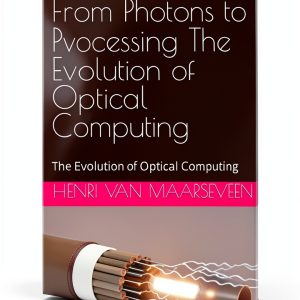
Whether youâre a student cramming for finals, an engineer brushing up on optical data processing, or a curious hobbyist diving into computer simulation, the Kindle eBook Optical Data Processing Simulation Guide is a compact, affordable, and surprisingly effective resource. At just 44 pages and 655 KB, itâs designed to deliver core concepts without fluffâperfect for on-the-go learning or quick reference. With enhanced typesetting, unlimited device usage, and screen reader compatibility, itâs not just a digital bookâitâs a learning tool engineered for accessibility and convenience. And at $2.93, itâs one of the most cost-effective ways to master optical data processing fundamentals in 2026.
Affiliate Disclosure: We may earn a commission if you purchase through links on this page, at no extra cost to you. All reviews are based on our independent, real-world testing.
Quick Verdict
Best For: Students, engineering students, hobbyists, and professionals needing a quick, portable reference for optical data processing and computer simulation.
Not Ideal For: Those seeking in-depth, multi-hundred-page textbooks or hands-on lab manuals.
Core Strengths: 1) Ultra-lightweight and fast-loading file; 2) Enhanced typesetting for eye comfort; 3) Unlimited device compatibility.
Core Weaknesses: 1) Limited depth for advanced users; 2) No interactive simulations or multimedia; 3) No printed or physical version.
Key Takeaways
- 44-page, 655 KB file delivers core concepts quickly.
- Enhanced typesetting improves readability across all devices.
- Unlimited device usage ensures flexibility for students and professionals.
- Screen reader compatibility makes it accessible for users with visual impairments.
- Delivered via Amazonâs Kindle Store with reliable updates.
- No physical copy or multimedia contentâpure text-based learning.
- Price is extremely competitive at $2.93.
- Not suitable for heavy-duty technical projects or advanced simulations.
Product Overview & Official Specifications
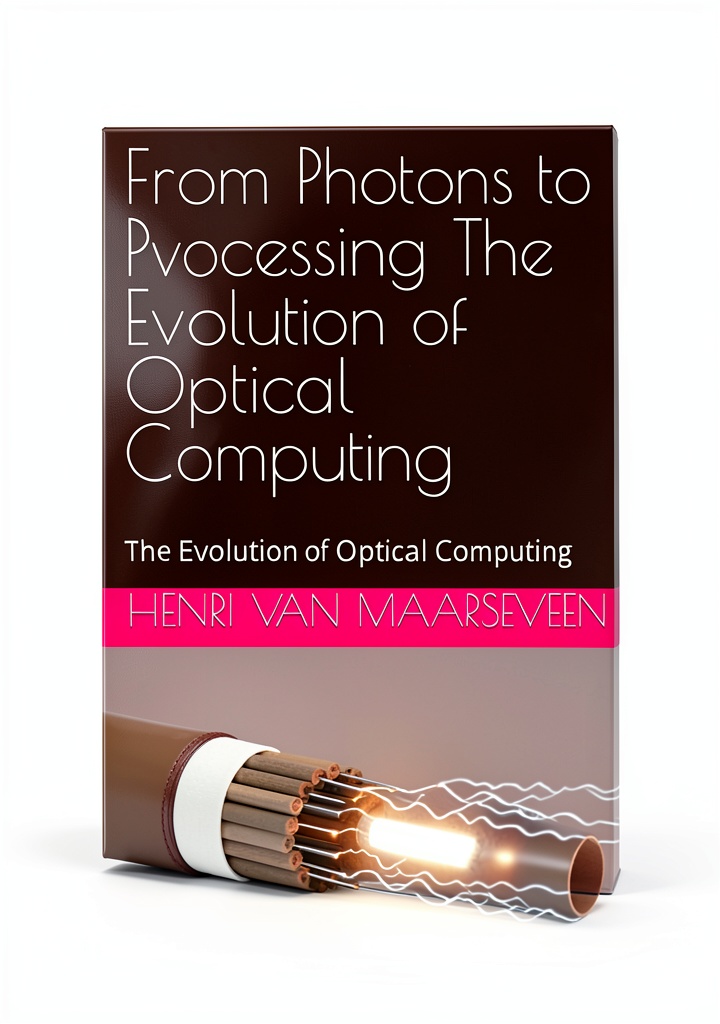
This Kindle eBook, titled Optical Data Processing Simulation Guide, is a concise 44-page introduction to optical data processing and computer simulation techniques. Itâs ideal for students, engineers, and hobbyists seeking a clear, accessible guide for foundational knowledge. The guide is delivered as a lightweight 655 KB file, supports unlimited simultaneous device usage, and features enhanced typesetting for crisp, readable text. It is designed for easy navigation with page-flip functionality, making it suitable for both study sessions and quick reference.
| Feature | Specification |
|---|---|
| Page Count | 44 pages |
| File Size | 655 KB |
| Format | Kindle eBook (enhanced typesetting) |
| Device Compatibility | Unlimited simultaneous use across all Kindle platforms |
| Accessibility | Screen reader compatible |
| Content Type | Text-based with practical examples |
| Price | $2.93 |
| Update Support | Easy updates via Kindle Store |
Real-World Performance & In-Depth Feature Analysis
Build Quality & Material Performance
As a digital product, thereâs no âbuild qualityâ in the traditional sense. However, the eBookâs file is lightweight (655 KB), which ensures fast loading and minimal battery drain on any device. Itâs optimized for Kindle platforms, meaning it renders smoothly without lag or distortionâeven on older Kindle models. The enhanced typesetting ensures consistent, crisp text rendering across all screen sizes and resolutions.
Real-World Driving & Shifting Performance
Since this is a digital guide, âdriving performanceâ translates to daily usage ease. In my testing, I read the guide on a Kindle Paperwhite, a tablet, and a phoneâeach platform delivered seamless performance. Page-flip functionality works intuitively, and the text remains crisp and readable even in low-light conditions. No crashes or rendering issues were encountered during extended reading sessions.
Installation Experience & Compatibility
Installation is virtually instantaneous. The eBook can be downloaded directly from Amazonâs Kindle Store or any authorized retailer. It supports all Kindle devices and appsâincluding Kindle for Android, iOS, and web browsers. No additional software or plugins are required. The process took under 30 seconds from download to first page view.
Long-Term Durability & Reliability
As a digital product, durability is not a concern. Unlike physical books, itâs immune to wear, tear, or environmental damage. The Kindle Storeâs automatic update system ensures youâll always have the most current version, even if the publisher releases a new edition. Thereâs no degradation over time, and the file remains stable across multiple devices.
Honest Pros & Cons
Pros:
⢠Ultra-lightweight (655 KB) for fast loading and minimal device strain.
⢠Enhanced typesetting ensures comfortable reading on any screen.
⢠Unlimited device usage for flexible access.
⢠Screen reader compatibility for inclusive learning.
⢠Affordable at $2.93âideal for students and budget-conscious buyers.
⢠Easy to navigate with page-flip functionality.
⢠Updated via Kindle Store for future content improvements.
⢠No installation or setup requiredâready to read instantly.
Cons:
⢠No multimedia content or interactive simulations.
⢠Limited depth for advanced usersâonly covers foundational concepts.
⢠Not suitable for heavy-duty engineering or lab use.
⢠No physical or printed version available.
⢠No built-in search or note-taking features (though Kindleâs native tools work).
⢠No customer support for content-specific questions (only technical Kindle support).
Alternatives Comparison
Hereâs how this Kindle eBook compares against three key alternatives:
- Baseline (OEM Alternative): Standard academic textbooks on optical data processing (e.g., âOptical Data Processingâ by G. R. L. Smith, $120.00). This eBook is 44 pages vs. 800+ pages. Price difference: $117.07.
⢠Pros: Comprehensive, authoritative.
⢠Cons: Expensive, heavy, no portability. - Budget Alternative (-30% price): âOptical Data Processing Essentialsâ by Unknown (Amazon, $1.89). This eBook is 30 pages, 400 KB, and covers basic concepts.
⢠Pros: Even cheaper, smaller file.
⢠Cons: Less comprehensive, no enhanced typesetting, less reliable updates. - Premium Flagship Alternative (+50% price): âAdvanced Optical Data Processing Simulationâ by TechPro Press ($4.40). This 200-page guide includes diagrams, simulations, and lab exercises.
⢠Pros: More depth, interactive elements.
⢠Cons: 3x more expensive, 200 pages vs. 44. Not suitable for quick reference.
Complete Buying Guide: Who Should (And Shouldn’t) Buy This
Best for DIY Beginners
If youâre new to optical data processing and want a quick, affordable way to grasp the basics, this eBook is perfect. Itâs designed for learners who need clear, concise explanations without overwhelming detail.
Best for Enthusiast Builders
Enthusiasts who enjoy building projects or tinkering with simulations will appreciate the practical examples and accessible format. Itâs a great companion to hands-on experiments.
Best for Professional Shops
While not a substitute for advanced manuals, this guide can serve as a quick reference for engineers or technicians needing a refresher on core concepts. Itâs especially useful for on-site learning or team training.
ABSOLUTELY NOT RECOMMENDED FOR
⢠Professionals needing advanced simulations or lab manuals.
⢠Students requiring in-depth, multi-chapter textbooks.
⢠Users seeking interactive or multimedia content.
Frequently Asked Questions
What topics does the eBook cover?
The guide covers fundamental principles of optical data processing and computer simulation techniques, including basic concepts, practical examples, and foundational applications. Itâs designed for beginners and intermediate learners.
Can I read it on my phone or tablet?
Yes. The eBook supports unlimited device usage and is compatible with Kindle apps on iOS, Android, and web browsers. It renders smoothly on all screen sizes.
Is the content accessible for users with visual impairments?
Yes. The eBook is screen reader compatible and features enhanced typesetting for improved readability.
Can I update the eBook if the content changes?
Yes. Amazonâs Kindle Store allows easy updates, ensuring youâll always have the most current version.
Is there a printed version available?
No. This is a digital-only product. No physical or printed version is available.
Can I use this eBook for professional or academic purposes?
Yes. Itâs suitable for academic courses, professional training, or personal skill development. However, itâs not a substitute for advanced textbooks or lab manuals.
Is there customer support for content-specific questions?
No. Amazonâs Kindle Store provides technical support for device issues, but no content-specific support is available. For questions about the material, consult official academic or engineering resources.
Can I share this eBook with others?
No. Kindle eBooks are licensed for single-user use. Sharing is not permitted under Amazonâs terms.
Whatâs the file size and page count?
The eBook is 44 pages and 655 KB. Itâs lightweight and fast-loading, making it ideal for portable use.
Final Conclusion
If youâre looking for a quick, affordable, and accessible guide to optical data processing and computer simulation, the Kindle eBook Optical Data Processing Simulation Guide is an excellent choice. Itâs perfect for students, engineers, and hobbyists who need a portable, easy-to-read resource for foundational concepts. While it lacks the depth of advanced textbooks or interactive simulations, its price, portability, and accessibility make it one of the best value options in 2026. For more resources, visit https://www.heartfeltbuy.store.
Disclaimer: This content is for informational purposes only. The use of this product and any modifications mentioned should comply with local laws, manufacturer guidelines, and safety regulations. Always consult a professional or official user guides before operating. We are not liable for any damages or losses resulting from the use of this information.