


Description
Product Overview
Springer’s Computer Optical Data Processing eBook offers a deep dive into the principles and practices that drive modern optical data systems. Spanning 320 pages, this PDF edition consolidates decades of research, case studies, and algorithmic developments into a single, searchable resource. Readers will encounter clear explanations of light‑based data acquisition, signal conditioning, and the mathematical foundations that underpin image reconstruction, pattern recognition, and data compression. The book also highlights emerging trends such as adaptive optics, quantum imaging, and machine‑learning‑enhanced processing pipelines, ensuring that both newcomers and seasoned professionals stay ahead of the curve. Structured with concise chapters, each section builds on the previous one, allowing users to progress from basic concepts to advanced implementations without feeling overwhelmed.
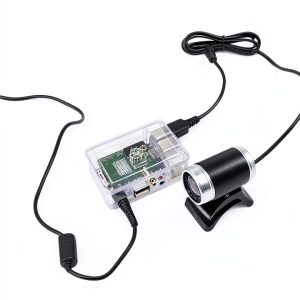
![[Product front view showing all components]](https://www.heartfeltbuy.store/wp-content/uploads/2026/06/5ff0fd2e67ca42e4ae565e37e4b9dfa2.jpg)
Usage
This eBook is designed for a wide range of environments where optical data processing plays a critical role. In academic settings, professors can assign chapters as core reading for graduate‑level courses in computer vision, signal processing, and computational photography. Students benefit from the searchable PDF format, which makes it easy to locate specific algorithms or reference equations during study sessions or while writing research papers. In industry, engineers developing optical sensors, medical imaging devices, or autonomous navigation systems can use the book as a quick reference guide to validate design choices, compare algorithmic performance, or explore new techniques for noise reduction and feature extraction. The content also serves as a valuable resource for researchers conducting experiments that require precise calibration of optical setups, as it provides step‑by‑step procedures and best‑practice recommendations. Whether you are working in a university lab, a corporate R&D department, or a start‑up focused on AI‑driven imaging, this eBook equips you with the knowledge needed to solve real‑world challenges.
Why Choose Us
Choosing Springer as your source guarantees access to rigorously peer‑reviewed material authored by leading experts in the field of optical data processing. The publisher’s reputation for academic excellence ensures that every chapter reflects the latest scientific standards and industry practices. Our eBook is formatted for optimal readability on a variety of devices, from desktop monitors to tablets, allowing you to study wherever you are. The PDF includes embedded hyperlinks to external datasets, code repositories, and supplemental videos, providing an interactive learning experience that goes beyond static text. Additionally, Springer offers dedicated customer support for digital products, including assistance with download issues, format conversion, and citation guidance. By purchasing this eBook, you also gain eligibility for future updates at no extra cost, ensuring that your knowledge base remains current as new research emerges.
Key Features
- Comprehensive coverage of optical data acquisition, processing, and analysis techniques.
- Clear, jargon‑free explanations that bridge theory and practical implementation.
- Embedded links to code samples, datasets, and video tutorials for hands‑on learning.
- Optimized PDF layout for easy navigation on any device, with searchable text and bookmarks.
- Dedicated Springer support and free future updates to keep content current.
FAQ
What format is the eBook delivered in?
The eBook is provided as a high‑resolution PDF file, compatible with all major PDF readers on Windows, macOS, iOS, and Android.
Can I use the content for academic citations?
Yes. The eBook includes a complete citation page with DOI, ISBN, and publisher information, making it straightforward to reference in scholarly work.
Is there any supplemental material available?
All chapters contain hyperlinks to supplementary resources such as source code repositories, sample datasets, and instructional videos that enhance the learning experience.
How can I get updates if a new edition is released?
Springer provides registered owners with free access to future revisions of the eBook, ensuring you always have the most up‑to‑date information.
What level of expertise is required to understand the material?
The book is written for graduate students and professionals with a basic background in mathematics and computer science, but each concept is introduced with intuitive examples to aid comprehension for readers at all levels.




 C Programming eBook by Amazon Book 4 of 6 162 Page Kindle Edition
  Springer Computer Optical Data Processing eBook 320 PDF 2005 Edition
  Data Modeling & Design Amazon Kindle eBook – 951 Pages, Typesetting
  Make Community Optical Data Processing Kindle Book 1st Edition Pages
Reviews
There are no reviews yet.